New Emissions Standards: Why Your Next Fleet Upgrade Just Got 20% More Expensive

What changed
The landscape for fleet ownership has fundamentally shifted as the Environmental Protection Agency (EPA) finalized updated greenhouse gas (GHG) emissions standards for heavy-duty vehicles EPA. These regulations are not just advisory; they effectively raise the barrier to entry for older equipment, rendering many legacy units uncompliant or prohibitively expensive to maintain in a standard logistics operation.
How it works
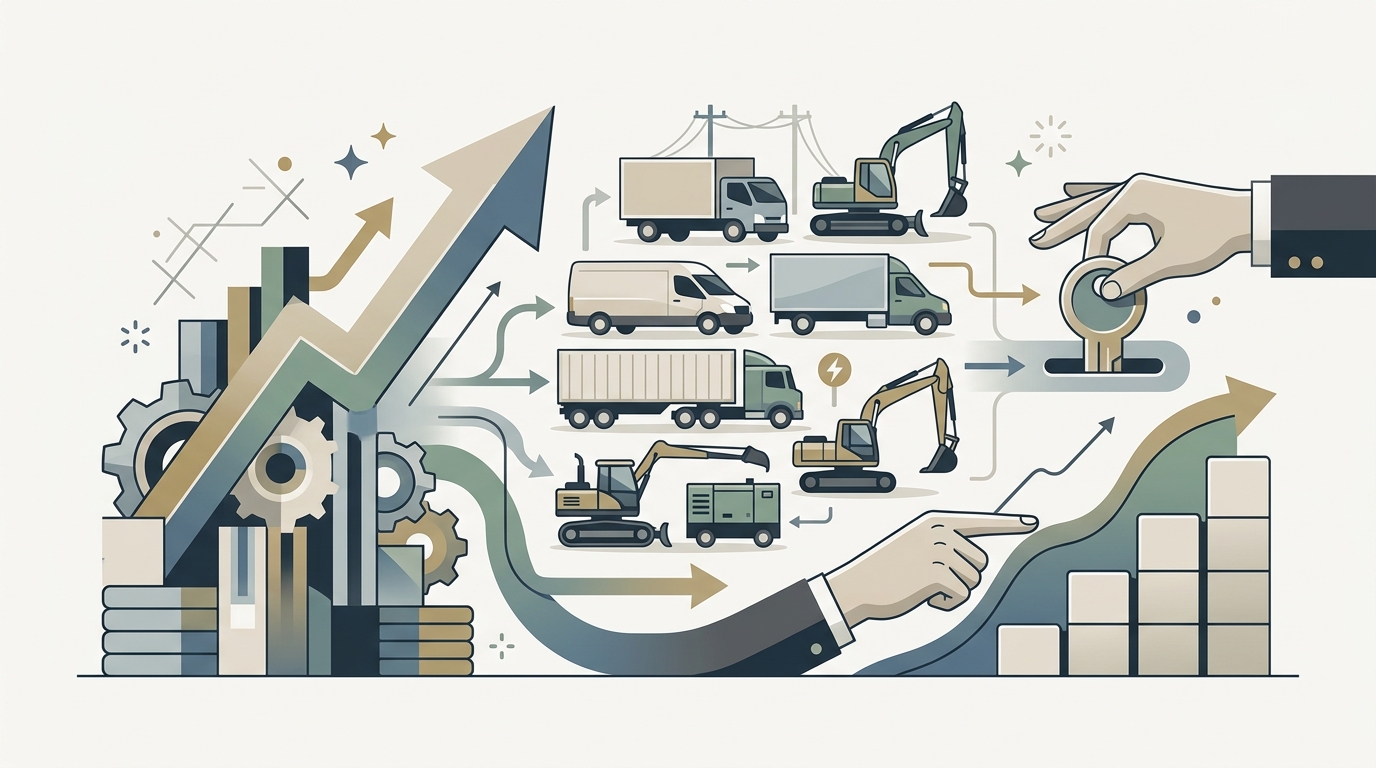
The mechanism driving this change is a collision of federal mandate and capital requirements. The EPA’s ruling forces a rapid transition to newer vehicle technologies designed to reduce carbon footprints. Both the EPA and Commercial Carrier Journal agree that this shift necessitates an immediate upgrade to newer, tech-heavy assets EPA, CCJ.
However, the sources highlight a critical consequence: the sheer cost of this compliance. Commercial Carrier Journal reports that independent fleets are seeing a 15-20% increase in financing requirements to acquire equipment capable of meeting these new regulatory tech standards CCJ. While the EPA establishes the regulatory ceiling, the financial market is reacting by pricing in the higher capital cost of compliant hardware.
Who it hits
The primary burden falls on independent fleets, owner-operators, and small logistics businesses. Unlike large enterprise fleets that may have deep capital reserves or tiered replacement cycles, smaller operations are finding their existing balance sheets pressured by the sudden need for higher loan principals.
Why this matters for your bottom line
For a small logistics business, a 15-20% spike in financing requirements isn't just a number—it’s a direct hit to your cost-per-mile calculations and monthly cash flow. If you were budgeting for an asset upgrade based on historical financing figures, you are now likely facing a higher down payment requirement or a larger monthly debt service obligation.
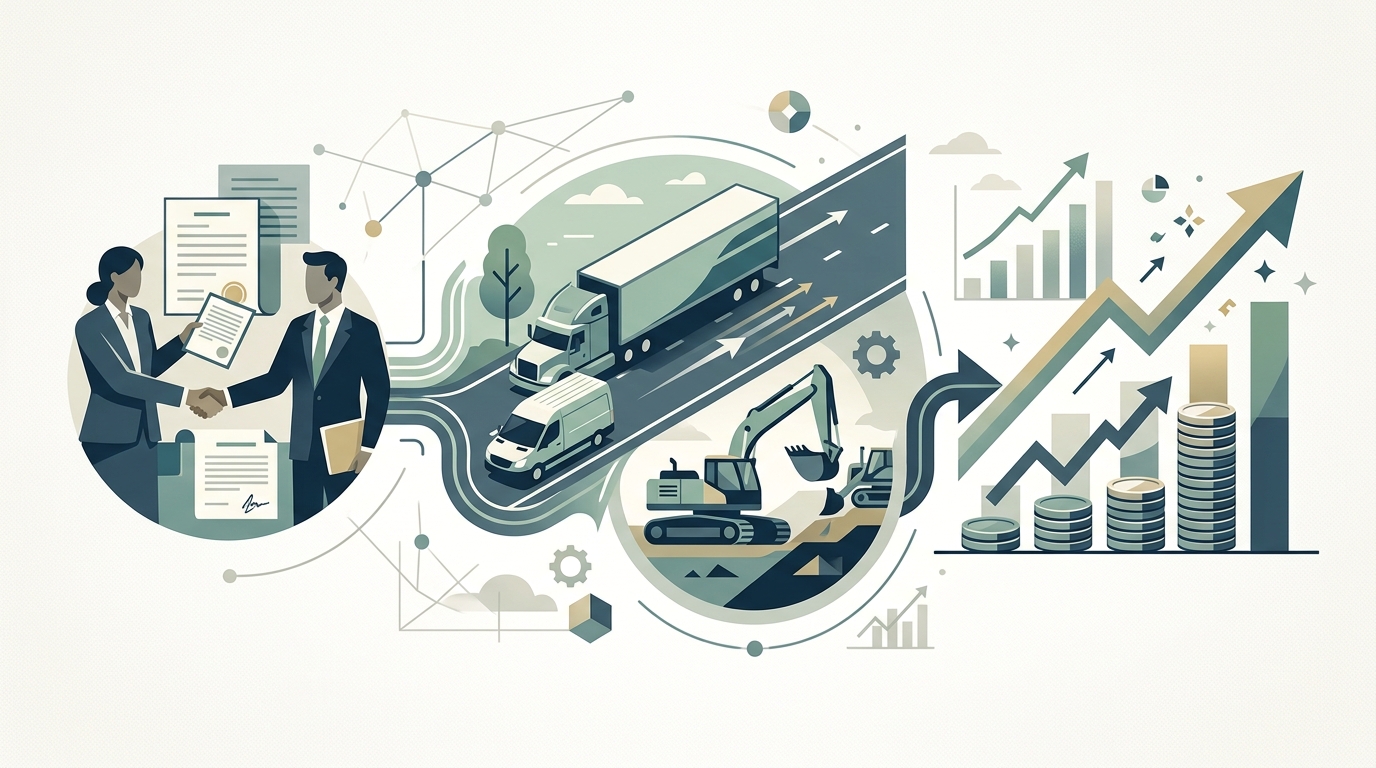
This gap requires a shift in your financing strategy. With lenders tightening their requirements to match the higher equipment costs, your ability to qualify for favorable interest rates may now depend more heavily on demonstrating the fuel-efficiency and long-term operating savings of the new units. When you look at your next equipment purchase, you must calculate the total cost of ownership (TCO) inclusive of these higher financing charges, rather than just the invoice price. If your debt-to-income ratio or cash reserves don't align with these new, higher-principal loans, you may need to explore longer-term structures to keep your monthly payments manageable.
Bottom line
Regulatory compliance is forcing a 15-20% increase in equipment financing requirements, making it harder for small fleets to upgrade without careful capital planning. Review your equipment financing strategy now to ensure your cash flow can support the higher debt service necessitated by modern, compliant vehicles.
[Check your fleet financing rates here]
Disclosures
This content is for educational purposes only and is not financial advice. fleet-financing.com may receive compensation from partner lenders, which may influence which products are featured. Rates, terms, and availability vary by lender and applicant qualifications.
What business owners say
4.9-
This company was lightning fast and the experience was amazing. Thank you, Dan — you're a real pro!
-
Good service Joseph Krajewski is the best agent ever. He provided excellent service. I strongly recommend working with him if you have the opportunity.
-
They gave me a chance when nobody else would. I'm very satisfied.
Frequently asked questions
Are all trucks affected by the new EPA standards?
The new EPA greenhouse gas emissions standards specifically target heavy-duty vehicles. While the rules prioritize newer models, they create a significant barrier to entry for older equipment that cannot be retrofitted to meet modern standards.
Why are financing costs rising for compliant equipment?
Because modern trucks require advanced emissions-control technology to meet federal mandates, the base cost of the equipment has increased. Consequently, lenders are adjusting financing requirements by 15-20% to account for this higher capital expenditure.
How can I manage these increased costs?
Focusing on longer-term financing structures and prioritizing equipment that offers better fuel economy can help offset the higher upfront purchase price, ensuring your cash flow remains sustainable despite the regulatory-driven price hike.
- How to Choose the Right Commercial Fleet Financing Option in 2026 (22/09/2026)
- Fleet Financing Documentation: What Buyers Need to Know in 2026 (22/09/2026)
- Commercial Fleet Financing in 2026: A Complete Guide for U.S. Fleet Owners (22/09/2026)
- Company Profile: Fleet Financing Services for U.S. Commercial Fleet Owners (2026) (17/09/2026)
- Step‑by‑Step Guide to Fetch and Analyze Commercial Fleet Financing Data (2026) (12/09/2026)
- How to Find the Best Commercial Fleet Financing in 2026 (12/09/2026)
- Fleet Financing 2026: Mastering the 'Out' Process for Commercial Vehicle Owners (12/09/2026)
- How to Run a Successful Commercial Fleet Financing Strategy in 2026 (12/09/2026)